
Most advice about auditions is written for the band holding them. This is the other side: you saw a listing, you want the slot, and you have one rehearsal evening to prove you are the right call. Auditions are rarely won by the flashiest player; they are won by the most prepared one. Here is the whole process, from reading the ad to handling the answer.
Read the ad like a contract
A good listing tells you the instrument, the genre, originals versus covers, rehearsal schedule, gig frequency, and the money reality. Bands that write specific ads run organized rehearsals; the guide to writing a musician wanted ad shows what a well-built one looks like, and it doubles as your checklist for what to know before you invest an evening.
Red flags worth pricing in before you reply:
- No music linked. A band that will not show you two tracks and a live clip is asking you to audition blind. Ask for material before committing.
- Money described as vibes. "Paid once we blow up" or "great exposure" means unpaid, indefinitely. Unpaid is fine for a project you believe in, as long as everyone says so out loud.
- A revolving door. If the ad trashes the last bassist, you are reading next year's ad about you.
- No schedule. "Chill, we'll figure it out" bands rehearse at times that change weekly and resent you for having a job.
Prep the exact material they asked for
The single most common audition failure is learning the wrong thing. If they send three songs, learn those three songs, in the versions they sent, in the keys on the recordings. Not the radio single, not the live album cut.
- Chart everything. Write a cheat sheet per song: key, tempo, form, your entrances, and the two or three moments that define the part. Bring the charts even if you memorized the material.
- Nail the signature details. The bass fill in the second chorus, the drum groove on the bridge, the harmony on the hook. Bandleaders listen for whether you noticed what makes the song theirs.
- Practice to a click if the band tracks or uses backing tracks live. Ask beforehand; it signals you have done this.
- Have one extra song ready. Many auditions end with "anything else you want to show us?" Pick something in their lane, not your flashiest solo piece.
What bandleaders actually score
Chops are the entry fee. Every serious candidate can play the material, so the decision comes down to four things:
- Time. Do you lock with the drummer, and do you rush when you get excited? A simple part played in the pocket beats a busy one played around it.
- Tone. Does your sound fit their records without a lecture about your rig? Show up dialed in for their genre, not your last band's.
- Preparation. Learning the right material in the right keys is treated as a proxy for how you will handle a 40-song setlist later.
- Attitude. Arriving ten minutes early, taking a note without arguing, and recovering gracefully from a mistake all answer the real question: what is it like to share a van with you?
Notice what is not on the list: improvisation fireworks. Unless the gig is jazz, save it. The band-side playbook for running auditions scores candidates on roughly this same rubric, which tells you exactly where to spend your prep hours.
The audition itself
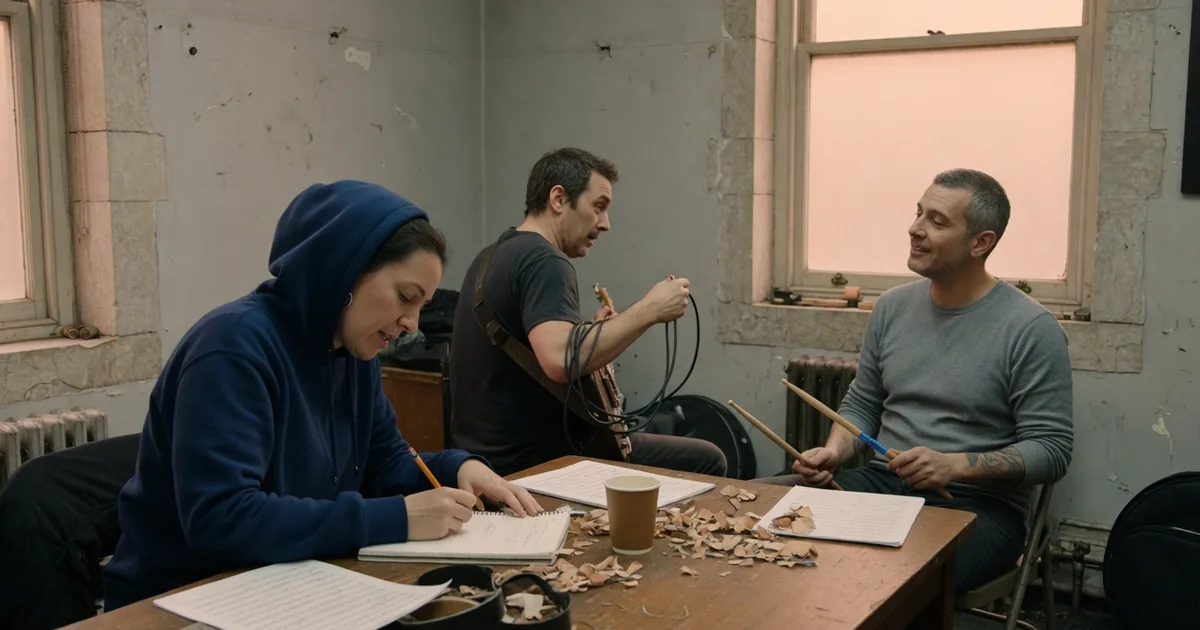
Bring your own instrument, your own cables, spare strings or sticks, and earplugs. Expect to run the prepared songs first, then possibly a cold read or a short jam so they can hear how you think. First meetings should happen at a rehearsal studio or another public space; that is standard safety practice on both sides.
Two behavioral notes that decide more auditions than any fill: do not monologue about your gear or your history between songs, and if you train-wreck a section, stop, say "let me take that again," and take it again. Recovering well reads as professionalism. Plowing through reads as denial.
The 48-hour follow-up
Send a short message within two days: thank them, restate that you want the slot, confirm your availability, and ask one real question (first gig date, setlist size, pay structure). Three or four sentences total. Bands often audition several people over a week; the candidate who follows up like a professional stays in the pile.
If a week passes with no answer, send one nudge. If that gets silence, you have your answer; spend the energy on the next listing instead of a third message.
Rejection, counter-offers, and trial periods
Most rejections are about fit, not ability: your schedule, your tone, the other candidate's vocals. Reply graciously and ask one specific question ("anything in my playing I should work on?"). Often you get a useful answer, and occasionally you get called back when their first choice quits.
Trial periods are normal and protect you too. A common shape is three to five gigs or a month of rehearsals before anyone says "member." Use the trial to evaluate them: do rehearsals start on time, does the promised pay materialize, does the setlist match the ad? Get the split in writing before you play a paid gig. If the fit is wrong, decline politely; musicians who bail gracefully get recommended to other bands.
Getting started this week
- Pick two or three live openings and reply with a 60-second clip, your city, and your real availability. Start from find band members, then open Austin openings, Chicago openings, and Nashville openings — those lists are full of bands mid-search right now.
- Build a reusable audition kit: charts template, spare cables, and one "extra song" per genre you work in.
- Draft your follow-up message template now, so the 48-hour version writes itself.
- If paid sessions are the goal more than membership, the flip side of this game is in how to get hired as a session musician.
The bands worth joining are not looking for a virtuoso. They are looking for the person who learned the right songs, showed up on time, and made the music feel easy. Be that person, and you will have more offers than nights in the week.