
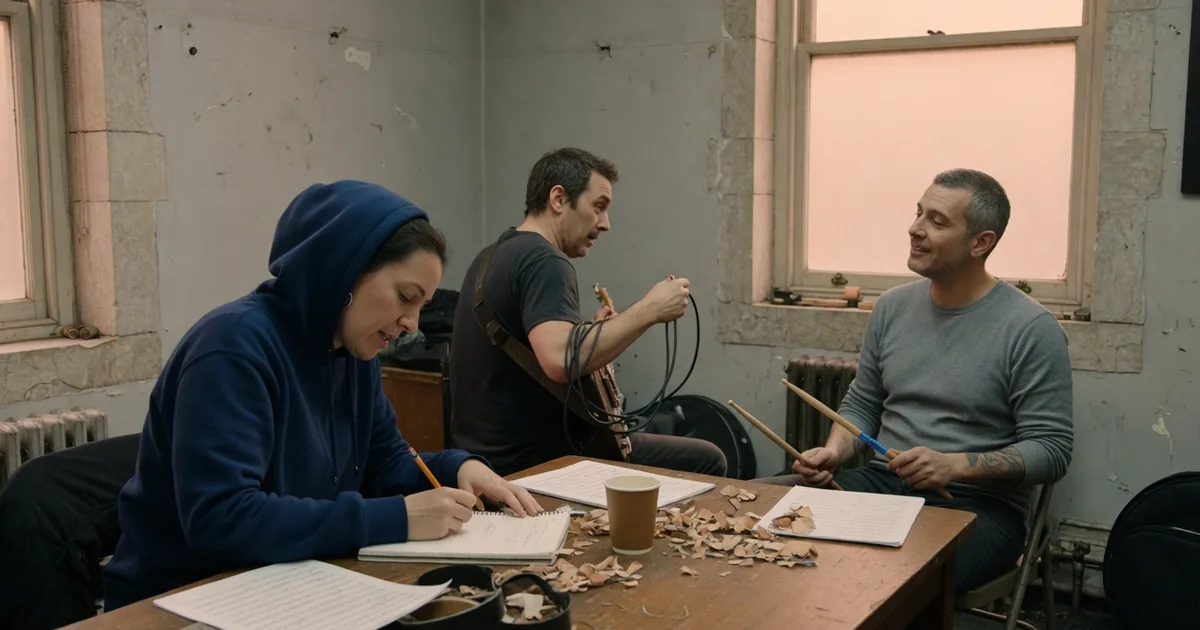
Bands rarely break up because of one dramatic blowup. They break up because small resentments compound: an unpaid split here, a dismissed song idea there, a rehearsal schedule that only works for one person. If you want to keep your band together for years instead of months, the work is boring and ongoing, not heroic. This guide covers why bands actually fall apart and the practical habits that prevent it.
Why bands break up
Almost every breakup traces back to a short list of causes:
- Money disputes: unclear splits, unequal investment, one person handling cash with no transparency.
- Creative imbalance: one member writes everything, others feel like hired hands.
- Uneven effort: some members treat the band as a job, others as a hobby, and nobody says it out loud.
- Scheduling friction: rehearsals and gigs collide with jobs, partners, and kids until showing up becomes a fight.
- Goal mismatch: one person wants touring and a record deal, another wants to play local bars twice a month, like the rooms in the Austin clubs directory.
Notice that none of these are musical problems. Bands break up over logistics and feelings, which means they are preventable with process.
Put the money on the table
Nothing corrodes a band faster than money ambiguity. Fix it early:
- Agree on splits in writing before real money arrives. Who gets what from gigs, merch, and streaming, and who covers what costs. Our guide on how to split band revenue walks through the common models.
- One shared record of income and expenses. A simple spreadsheet that everyone can see beats any memory. Update it after every paid gig.
- Pay people promptly. Holding a bandmate's share "until it adds up" breeds quiet resentment.
- Decide how band funds work. Is there a shared pot for recording and gear? Who approves spending?
A written band contract that covers money, the name, and what happens when someone leaves is the single best longevity investment a band can make.
Handle creative credit honestly
Songwriting credit and creative control are the second great fault line. A few rules keep it healthy:
- Talk about credit before songs are released, not after. If the singer writes lyrics over the guitarist's riff, who are the writers? There is no universal right answer, only the one you all agree to.
- Make room for everyone's ideas. If a member's suggestions are always voted down, they will eventually leave, or check out while staying.
- Separate "my song" from "our recording." Many bands let writers keep their publishing while agreeing the band can perform and record the material.
- Register works properly with a PRO like ASCAP or BMI so credits and royalties follow the agreement, not the loudest person's memory.
Respect everyone's time
Scheduling kills more bands than creative differences ever will:
- Set a fixed rehearsal cadence that genuinely works for the busiest member, then protect it. Consistency beats frequency; see our guide on organizing band rehearsals.
- Use a shared calendar for gigs, rehearsals, and blackout dates. "I told you about this show" should never be a sentence anyone says.
- Confirm commitments before accepting gigs. Nothing breeds resentment like being voluntold for a Saturday night.
- Start and end on time. Chronic lateness is a respect problem wearing a scheduling costume.
Communicate before it becomes conflict
The bands that last decades are not conflict-free; they resolve conflict early and cheaply.
- Hold a short regular check-in outside rehearsal: what is working, what is annoying, what is next. Fifteen minutes a month prevents the annual explosion.
- Criticize behavior, not character. "You were late to three rehearsals" is fixable. "You do not care" is a wound.
- Do not let group chats become grievance archives. Hard conversations happen in person or not at all.
- Revisit goals once a year. People change. The band that aligned at 22 may need an explicit reset at 30.
Our article on working in harmony goes deeper on running these conversations without them turning into fights, and the conflict resolution guide covers what to do when they escalate anyway.
Know when a break beats a breakup
Sometimes the right move is not quitting but pausing. Burnout, a new baby, a day-job crunch: these are seasons, not verdicts. A band that says "we are dark until spring, then we reassess" survives far more often than one that grinds resentfully until someone quits mid-tour. Set a return date, keep in light contact, and treat the pause as a planned part of a long career. Even in active scenes like the Los Angeles circuit you can browse in the bands directory, plenty of acts ebb and flow for years.
Getting started this week
- Open a shared spreadsheet and record the band's income, expenses, and agreed splits.
- Schedule a 30-minute band meeting, separate from rehearsal, to surface anything unsaid.
- Put songwriting credits in writing for your existing songs, even informally over email.
- Set or confirm your fixed rehearsal day and add all gigs to a shared calendar.
If your lineup is still forming or you need a member who shares your commitment level, a free profile on Bandmate connects you with musicians who are explicitly looking for the same thing.
Longevity is not luck. Transparent money, honest credit, protected time, and early conversations turn a band from a phase into an institution.