
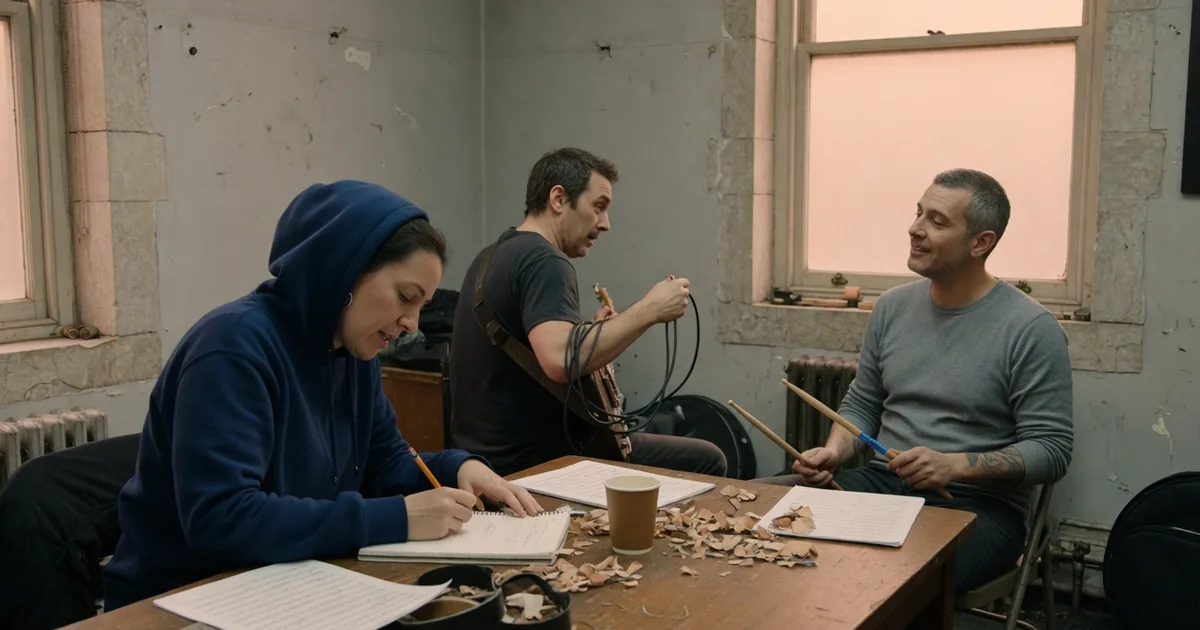
Choosing a band name feels like it should be the fun part, until you realize every good name seems taken and every clever pun sounds worse the next morning. Learning how to name a band is really about learning a process: generate a lot of options, filter them hard, check that the winner is actually usable, and test it on people who will tell you the truth. The name is the first thing bookers, playlist curators, and potential fans hear, and changing it later costs you every bit of recognition you have built. Here is how to get it right the first time.
Start With Volume, Not Perfection
The biggest mistake bands make is waiting for one perfect name to appear. Professional naming works the opposite way: you generate fifty to a hundred candidates, then cut.
Set a timer for thirty minutes and have every member write continuously. Use prompts to keep the ideas flowing:
- Place and object combinations (a street you grew up on plus a noun)
- Phrases from songs, books, or conversations you keep coming back to
- Misheard lyrics and inside jokes, which often carry built-in story
- Single evocative words that match your sound's mood
- Contrasts: pair something soft with something aggressive
No judging during this phase. The goal is raw material; many strong names only stand out once you say them out loud.
Filter Against What Your Band Actually Is
Now cut the list to five or fewer. Run each candidate through these questions:
- Does it fit the music without boxing you in? A name like "Death Toast" is funny for a metal band and a problem if you pivot to folk. Names that describe a sound too literally age badly.
- Can someone spell it after hearing it once? If a DJ announces you and nobody can find you afterward, the name failed.
- Does it survive being shouted? Say it like an emcee introducing you at a loud club. Some names collapse into mush.
- Is it safe to say on the radio and print on a flyer? Venues and press outlets have standards. Know the trade-off before you commit.
Avoid names tied to a current meme or a specific year. They timestamp you instantly.
Check Availability Before You Fall in Love
This is the step bands skip, and it is the step that causes renames two years in. For each finalist, check:
- Search engines. Google the name in quotes, plus "band" and "music." If an active act holds the first two pages, walk away.
- Streaming platforms. Search Spotify and Apple Music directly. A dormant project with the same name still splits your search results and confuses algorithms.
- Bandcamp and SoundCloud. These catch smaller and regional acts Google misses.
- Social handles. Check Instagram, TikTok, YouTube, and X for the exact handle or a close variant.
- The domain. You want the .com or a clean alternative. Our guide on building a band website covers what to do with it once you have it.
- Trademark databases. A quick search on the USPTO's free TESS system tells you whether someone has registered the name for musical entertainment services.
If a name is taken by an active act anywhere in your genre, it is not your name.
Test It on Real People
Your bandmates are too close to the process to judge fairly. Test the final two or three names on people outside the band:
- Say the name once, then ask them to spell it back and say what kind of music they would expect.
- Put it in a fake show flyer next to real local bands and ask which acts they would go see.
- Ask what the name makes them picture. If the answers are all over the place, the name carries no signal.
Pay attention to reactions you did not script. If three people independently mishear it as something crude, believe them.
Lock It In Everywhere at Once
Once you decide, move fast and claim everything in one sitting: domain, social handles, streaming artist profiles (via a distributor like DistroKid or CD Baby when you release), and directory listings. Keep the spelling identical everywhere, including capitalization. Listing your band in directories like the Austin band directory and the Nashville bands directory puts the new name in front of musicians and fans searching in your city. You can also create a Bandmate profile so the name starts collecting history, members, and gigs from day one. As the name gains traction, a band social media strategy helps you stay consistent across platforms.
Getting Started This Week
- Book a one-hour naming session with the full band and produce at least fifty candidates.
- Cut the list to five using the filter questions above, and sleep on it.
- Run full availability checks on the survivors, including search, streaming, handles, domain, and the USPTO database.
- Test the final two names on ten people outside the band, then claim every handle and the domain for the winner within 24 hours.
The Bottom Line
A good band name is findable, sayable, spellable, and roomy enough to grow into. Treat naming as a process with checkpoints instead of a moment of inspiration, and you will land on something the whole band can stand behind for years.