
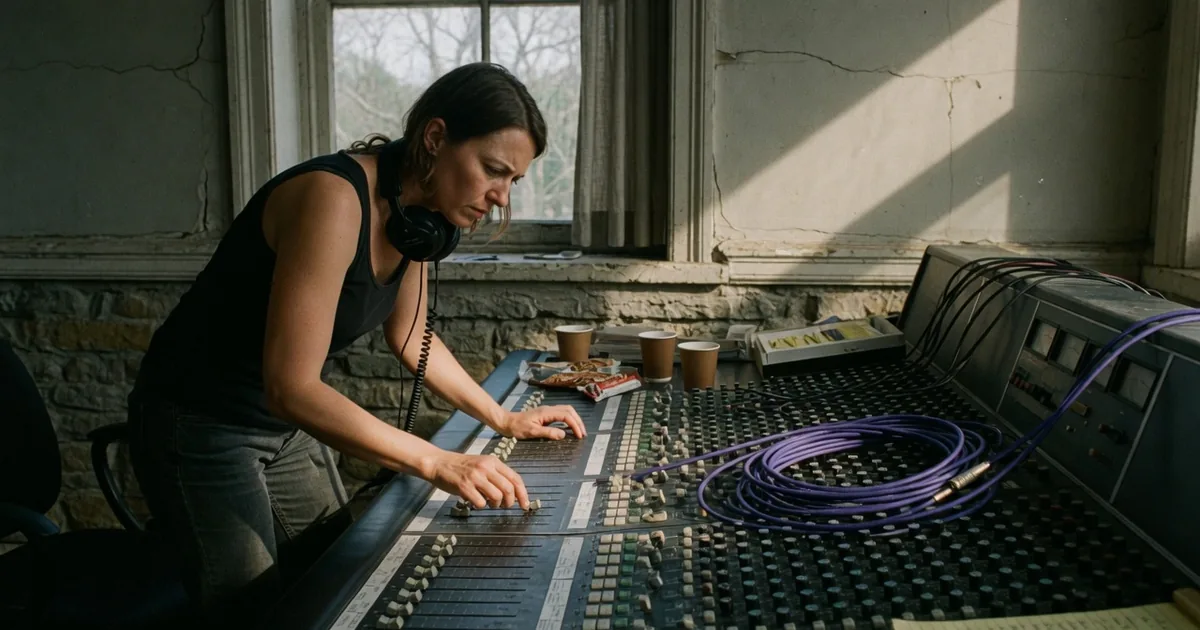
A great recording can carry a band for years, and a bad one can burn through a budget with nothing to show for it. Knowing how to work with a music producer is the difference between those two outcomes. The producer relationship is part creative partnership, part business arrangement, and bands that treat it as only one of those things tend to run into trouble. This guide covers what producers do, how to pick one, how to structure the money, and how to handle feedback, credits, and splits.
What a Music Producer Actually Does
The job title covers a wide range. At minimum, a producer shapes the sound of a recording: choosing arrangements, guiding performances, deciding which takes make the cut, and steering the mix direction. Common roles include:
- Creative director: pushes songs toward a cohesive sound and flags weak sections before they get recorded.
- Performance coach: gets better takes out of singers and players than they would get alone.
- Engineer or mix supervisor: some producers engineer themselves, others hire a mixing engineer and oversee the result.
Before hiring anyone, a band should know which of these roles it needs. A tight, well-rehearsed band may only need an engineer with good ears. A band still finding its sound benefits from a hands-on creative producer.
How to Choose the Right Producer
Start with records, not resumes: does the band want to sound like the albums this producer has made? Credits are easy to check on streaming platforms, Discogs, or album liner notes.
Practical steps:
- Make a shortlist of three to five producers whose past work matches the band's genre and budget tier.
- Ask for references from bands at a similar career stage, and actually call them.
- Do a trial session if possible; one song together reveals more about chemistry than any meeting.
- Meet and talk about favorite records; aligned taste matters more than impressive credits.
Producers often find clients through local scenes, so a band listed in directories like the Los Angeles bands directory or the Nashville bands directory is easier for studio professionals to discover.
Agree on Scope and Payment Before the First Session
Most producer disputes are scope disputes. A band thinks "produce our EP" includes mixing and revisions; the producer thinks it covers tracking only. Fix this in writing before anyone books studio time.
The agreement should spell out:
- Deliverables: number of songs, number of revision rounds per mix, and final formats (stems, instrumentals, masters).
- Fee structure: a flat project fee, a per-song rate, or a day rate. Up-and-coming producers commonly charge anywhere from a few hundred to a few thousand dollars per song; established names cost far more.
- Payment schedule: typically a deposit up front, a payment at the end of tracking, and the balance on delivery of final masters.
- Points: some producers take a percentage of master royalties (often called "points") in addition to or instead of part of the fee. Three to four points is a commonly cited range for independent projects.
Put it in a simple written contract; the same discipline that applies to band agreements applies here.
Giving Feedback That Helps Instead of Hurts
Producers hear "make it sound bigger" dozens of times a year, and it tells them nothing. Useful feedback is specific and references something concrete.
Better approaches:
- Use reference tracks. "The vocal should sit like it does on this song" is instantly actionable.
- Describe the problem, not the fix. "The chorus feels smaller than the verse" gives the producer room to solve it; "add more reverb" may not.
- Batch notes. Collect all notes and send them in one organized round instead of a stream of messages.
- Pick a spokesperson. Five band members sending five conflicting opinions is the fastest way to stall a project. Agree internally first, then deliver one set of notes.
Clear band collaboration habits pay for themselves the first time a mix revision is due.
Sort Out Credits and Splits Early
Two separate conversations live under this heading.
Master side: producer points come off the band's master royalties and must be documented. Songwriting side: if a producer rewrites a bridge or composes a new section, they may have a legitimate songwriting claim. Many bands use a simple standard: suggesting an arrangement or a sound is production, writing a new melody or lyric is songwriting. Whatever standard is used, agree on it before the session, not after the song gets playlisted.
Register songs with a PRO like ASCAP or BMI only after splits are settled, since changing them later is painful. Related reading: how to split band revenue and copyrighting your music.
Getting Started This Week
- Pick two released songs and record a rough demo or rehearsal video of each to share with candidate producers.
- Build a shortlist of three producers by pulling credits from albums the band loves, then message all three for rates and availability.
- Draft a one-page scope document covering deliverables, fee, schedule, points, and revision rounds before negotiating.
- Create a Bandmate profile so producers, session players, and engineers searching for acts to work with can find the band.
Final Thoughts
The bands that get the most from a producer arrive prepared: clear songs, clear budget, clear paperwork. Treat the producer as a partner with a defined job, and the studio becomes an investment instead of a gamble.