
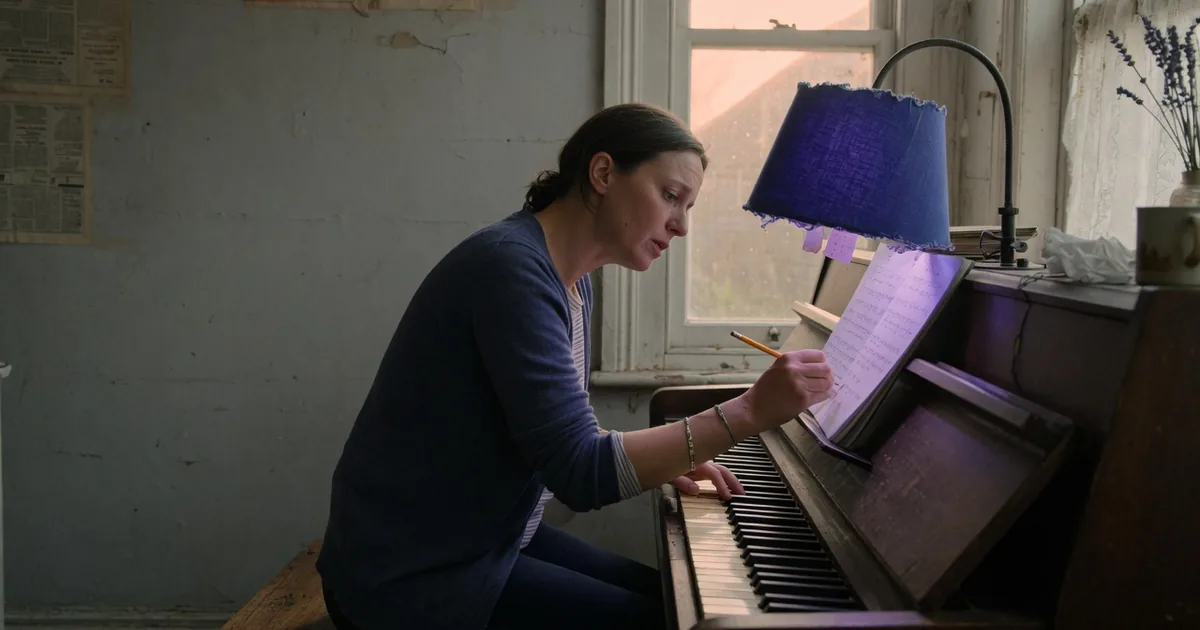
Every songwriter hits the wall eventually. The riffs all sound borrowed, the lyrics read like a diary you would never show anyone, and the instrument starts to feel like furniture. Songwriter's block is rarely a shortage of talent or ideas; it is usually a broken process. The fix is not waiting for inspiration but changing the conditions you write under. These twelve approaches are ones working writers actually use, and none of them require you to feel inspired first.
Change the Rules You Write By
Block thrives on open-ended freedom. Remove it.
1. Write with a hard constraint. Give yourself one rule and obey it completely: a song using only two chords, a lyric with no rhymes, a melody that never repeats a note, a track written in forty-five minutes. Constraints shrink the decision space, and a smaller decision space is easier to start in.
2. Steal a structure, not a sound. Take a song you admire and map its skeleton: how many bars the verse runs, where the chorus lifts, when the bridge arrives. Then write entirely new material over that map. You are borrowing craft, not content, and the unfamiliar roadmap often pulls melodies out of you that your habits would not.
3. Set a quota of bad songs. Commit to finishing three deliberately mediocre songs this month. Not sketches, finished songs with a beginning and an end. Lowering the stakes is the fastest way to get the pen moving, and finished bad songs teach you more than perfect fragments. One of them will surprise you.
Change the Tools and the Inputs
If the same hands on the same instrument keep producing the same ideas, change one of the variables.
4. Switch instruments. Write on something you barely play. A guitarist fumbling on a keyboard finds chords by ear instead of muscle memory, and the mistakes are frequently the interesting part. A cheap used keyboard or a free piano app is enough.
5. Write lyrics away from the instrument. Take a notebook on a walk and write words only, no melody allowed. Separating the two jobs stops them from competing. Many writers find their lyric quality jumps the moment it is no longer squeezed into whatever chord shape their fingers happened to land on.
6. Keep a daily capture habit. Carry a notes app or a pocket recorder and dump every fragment: overheard phrases, title ideas, two-bar riffs hummed at a red light. Block feels worse when every session starts from zero. A bank of fifty fragments means you are always developing something, never inventing from nothing.
7. Change your input diet. If you only listen to your own genre, your writing will circle it. Spend a week with music outside your lane, a film score, a jazz record, a podcast full of strange turns of phrase, and note what you would steal.
Change Who Is in the Room
Writing alone is a habit, not a law.
8. Co-write with someone outside your band. A co-writer kills your weakest ideas before you spend a week on them and pushes your good ones somewhere you would not have gone. If you do not know writers locally, directories like the Los Angeles band directory or the Nashville bands directory, or a Bandmate profile, can surface musicians in your city who are looking to collaborate.
9. Bring unfinished songs to rehearsal. Playing a half-written song with the full band often reveals what it needs in ten minutes. The drummer hears a different chorus; the bassist finds the missing transition. If coordinating that sounds like a project, our guide to organizing band rehearsals covers how to make the time productive.
10. Book a session before you have material. Commit to a writing date with another person, then let the social pressure do its job. It is much harder to skip a session someone else is showing up for.
Change the Schedule, Not Just the Song
11. Write at a fixed time, briefly. Twenty minutes at the same time every day beats a guilty five-hour binge every two weeks. Consistency trains your brain to treat writing as normal work instead of a special event that must produce brilliance.
12. Separate writing days from editing days. On writing days, nothing gets deleted. On editing days, nothing new gets started. Judging material while generating it is the single most common self-inflicted cause of block, and it disappears the moment the two jobs have their own calendar slots.
Getting Started This Week
- Pick one constraint from the list and finish one complete song under it, however rough.
- Start a capture file and add at least three fragments a day for seven days.
- Schedule two fixed twenty-minute writing sessions at times you can actually keep.
- Reach out to one musician about a co-write, or bring one unfinished song to your next rehearsal.
The Bottom Line
Songwriter's block breaks when the process changes, not when the mood improves. Rotate constraints, tools, collaborators, and schedule, and keep finishing songs even when they are bad. Momentum is the cure, and momentum starts with one deliberately imperfect song.