
Band Equipment Inventory Template

Band Equipment Inventory Template
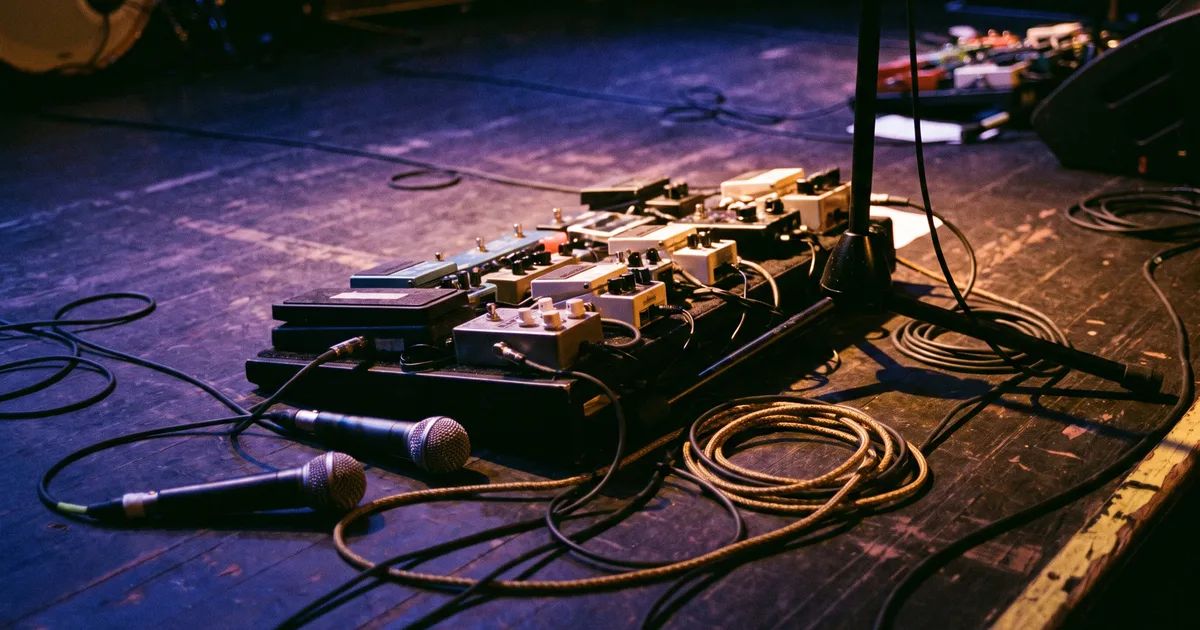
Your gear is one of your biggest investments as a band. An accurate equipment inventory protects you when things go wrong — theft, damage, insurance claims, or band member changes. This template makes it easy to catalog everything you own.
Why You Need an Equipment Inventory
Insurance Protection:
- File accurate claims if gear is stolen or damaged
- Prove ownership with serial numbers and purchase records
- Get proper coverage amounts (most bands underinsure)
- Speed up the claims process with documentation ready
Financial Clarity:
- Know the total value of your gear
- Track depreciation and resale values
- Plan equipment purchases based on needs vs. wants
- Understand your band's tangible assets
Operational Organization:
- Know who owns what (band-owned vs. personally owned)
- Track maintenance and repair history
- Plan upgrades and replacements
- Prepare for tours and gigs with complete packing lists
Band Transition Protection:
- When members join or leave, gear ownership is clear
- Disputes about who bought what are easily resolved
- New members know what's available to use
- Departing members take only what they own
What to Track
Item Details
- Item name — e.g., "Fender Stratocaster"
- Category — e.g., Guitar, Bass, Drums, PA, Accessories
- Brand/Model — e.g., "Fender American Professional II Stratocaster"
- Serial number — Critical for insurance and theft recovery
- Purchase date — Helps with depreciation and warranty claims
- Purchase price — What you originally paid
- Current value — Approximate replacement or resale value
- Condition — New, Excellent, Good, Fair, Needs Repair
- Notes — Warranty info, repairs, modifications, etc.
Ownership Clarity
- Band-owned vs. personally owned
- Who brought it in — if a member contributed gear
- Buy-out agreements — if a member leaves and wants to sell their gear to the band
- Rental/lease items — if anything is borrowed or rented
Insurance Information
- Is it insured? — Yes/No
- Policy number — if covered under a specific policy
- Deductible — for claims planning
- Replacement value — what insurance would pay
- Photos — link to photos of each item (store in cloud)
How to Use the Template
1. Initial Inventory
Gather Everything:
- Set aside a few hours for a complete inventory
- Have every band member bring their gear to one location
- Photograph each item (overall, serial number, any damage)
- Check for original receipts or order confirmations
- Test each item to confirm condition
Pro Tip: Use your phone to take photos and store them in a cloud folder labeled "Band Equipment Photos."
2. Categorize Your Gear
Suggested Categories:
- Instruments — guitars, basses, keyboards, drums, horns, etc.
- Amplifiers — guitar amps, bass amps, keyboard amps, drum amps
- PA System — speakers, mixers, monitors, microphones, stands
- Cables/Accessories — instrument cables, XLRs, power, adapters
- Effects/Pedals — guitar pedals, rack effects, processors
- Recording Gear — interfaces, mics for recording, headphones
- Cases/Bags — hard cases, gig bags, pedal boards
- Stage/Lighting — stands, lights, backdrops, banners
- Merch/Display — tables, banners, payment devices
- Other — tools, spare parts, backup gear
3. Update Regularly
After Every Purchase:
- Add new items immediately
- Update the total value
- Check if insurance coverage needs adjustment
- File the receipt with your records
After Sales or Loss:
- Remove or mark sold items
- Update total value
- Adjust insurance if needed
- Update photos if replacements are purchased
Annual Review:
- Verify all items are still in your possession
- Update condition assessments
- Adjust current values based on market
- Review insurance coverage vs. total value
- Take updated photos of high-value items
Insurance Best Practices
Get Proper Coverage
Most bands are underinsured. Consider:
- Inland Marine / Equipment Insurance — covers gear at home, in transit, and at venues
- General Liability — covers if someone gets hurt at your show
- Renter's/Homeowner's Rider — may cover some gear but usually has limits
- Band-Specific Policies — companies like MusicPro, Front Row, or CLA offer musician-focused coverage
Document Everything
For Insurance:
- Complete inventory with serial numbers
- Photos of each item (including serial numbers)
- Receipts or proof of purchase
- Appraisals for vintage or high-value items
- Keep copies off-site or in cloud storage
Understand Your Policy
Key Questions:
- What's the coverage limit per item?
- Is gear covered while traveling?
- What's the deductible?
- Does it cover borrowed or rented gear?
- Are there exclusions for certain venues or situations?
- Is replacement cost or actual cash value covered?
Protecting Your Gear on the Road
Tour and Gig Protection:
- Never leave gear visible in a vehicle
- Use a trailer with locks or pack gear inside the vehicle
- Load out together — don't leave one person with all the gear
- Mark gear with your band name (discreetly, to not affect resale)
- Keep an inventory list with you for police reports if stolen
- Consider GPS trackers for high-value items
Venue Safety:
- Don't leave gear unattended in venues overnight
- Label your cases clearly
- Keep a "load list" to verify nothing is left behind
- Take photos of the stage setup before sound check
- Know where your emergency exits are in case of quick evacuation
Band Member Departures and Gear
When Members Leave:
- Review the inventory to identify what they own vs. what the band owns
- If the band wants to keep gear the member owns, negotiate a buy-out
- Document any transfers in writing
- Update the inventory immediately after any changes
- Ensure departing members take only what belongs to them
When Members Join:
- Clarify what gear they're bringing and who owns it
- Add their gear to the inventory with ownership noted
- Discuss what happens to that gear if they leave
- Make sure they understand the band's gear policies
Common Mistakes to Avoid
1. No Inventory at All
- You can't claim what you can't document
- Insurance companies require proof of ownership
- Disputes over gear are common when bands break up
2. Missing Serial Numbers
- Serial numbers are the primary way to prove ownership
- Police and insurance require them for recovery/claims
- Take photos of serial numbers on every item
3. Outdated Values
- Gear depreciates but some vintage items appreciate
- Update values annually for accurate insurance coverage
- Underinsuring means you won't get enough to replace items
4. Not Insuring Gear
- "It won't happen to me" is expensive when it does
- Theft, fire, and accidents happen to everyone
- Insurance is cheap compared to replacing thousands in gear
5. No Backup Documentation
- Keep inventory copies off-site or in cloud storage
- A fire or theft at your practice space could destroy paper records
- Photos should be stored separately from the gear itself
Conclusion
Your equipment inventory is a living document that protects your investment and keeps your band organized. Set it up once, update it regularly, and you'll thank yourself when you need it.
Quick Start:
- Download the inventory template
- Gather and photograph all gear this week
- Record serial numbers and purchase details
- Calculate total value and check insurance coverage
- Store a copy in cloud storage and share with all members
Remember: Gear is replaceable, but documentation makes replacement possible. Protect your sound by protecting your records.
Related Resources
Band Budget Template and Financial Planning Tools 2025
Free budget templates and financial planning resources for bands.
Band Insurance Guide 2025
Complete guide to insurance for bands including equipment, liability, and health coverage.
Free Music Contract Templates for Bands 2025
Download free contract templates for band agreements, gig contracts, and more.
Music Grants and Funding Directory 2025
Directory of grants, funding opportunities, and financial resources for musicians.
Subscribe to our newsletter
Get the latest news and updates.
No spam. Unsubscribe anytime.
