
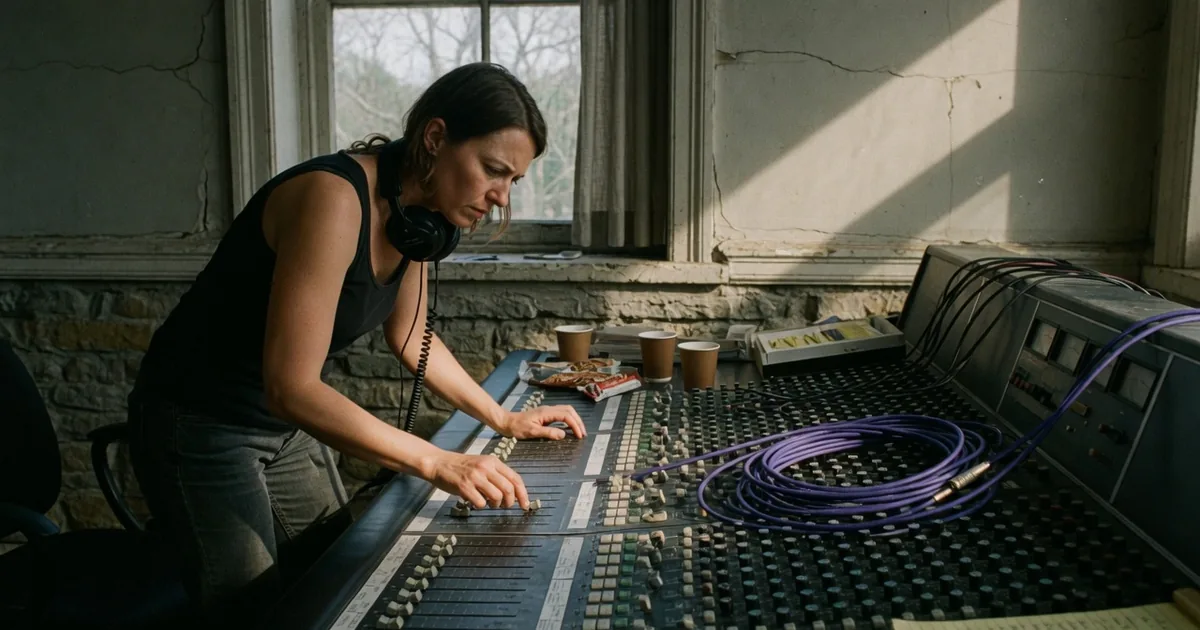
Studio time is one of the largest single expenses most independent bands ever take on, and the difference between a productive session and an expensive disaster is almost never the room or the gear. It is preparation. Bands that prepare for a recording studio session walk out with finished tracks; bands that wing it pay professional hourly rates to rehearse. This checklist covers what to lock down before day one, from arrangements and click-track practice to gear maintenance and engineer communication.
Finalize Arrangements Before You Book
The studio is the wrong place to write. Before the session date is even on the calendar:
- Decide the final structure of every song: intros, verse and chorus counts, solos, endings. Write it down as a simple chart for each track.
- Record rough demos at rehearsal, even on a phone, and listen critically. Sections that feel fine in the room often sag on playback, and it is far cheaper to cut a weak bridge in the practice space than at hourly studio rates.
- Agree on tempo and key for each song and note them in beats per minute. These numbers go straight to the engineer and save real setup time.
- Resolve every disagreement now. If two members want different endings, that argument costs nothing at rehearsal and a lot in the studio. Our guide on resolving band conflict is worth a read if decisions keep stalling.
Rehearse to a Click
Most studios record to a click track, and playing to one is a skill that does not appear on demand. If your band has never tracked to a metronome, start practicing with one at least a few weeks out:
- Have the drummer rehearse to a click first, since everyone else will lock to the drums.
- Then run full-band rehearsals with the click in one member's headphones as a guide, mimicking how tracking actually works.
- Practice punching in: starting mid-song from a bar count, the way you will when fixing a section instead of re-recording a whole take.
Bands that show up click-fluent finish tracks in a fraction of the takes, the single biggest lever on your final bill.
Get Your Gear Studio-Ready
An engineer can fix a lot at the desk, but not a crackling input jack or dead drumheads. One to two weeks before the session:
- Guitars and basses: fresh strings a few days ahead (so they settle and hold tune), working electronics, intonation checked, and spare strings, cables, and picks packed.
- Drums: new or near-new heads, tuned before you arrive, with spare snare and kick heads in the bag. Squeaky pedals and rattling hardware get fixed or taped down at home.
- Vocalists: plan rest and hydration in the days before, and know your songs well enough that you are performing, not reading.
- Everyone: confirm what the studio provides; many rooms have house kits, amps, and backline, but only if you ask.
Budget the Time Honestly
Studio budgets blow up when bands underestimate hours. A realistic framework:
- Ask about day rates versus hourly rates and what setup, mixing, and file delivery include. Rates vary widely by city, so get quotes from two or three studios.
- Pad your estimate. Setup, drum sound, and line checks eat the first hours of any session. If you think a song takes one hour, budget two.
- Prioritize the track list. Record the strongest songs first while everyone is fresh. If money runs short, you want the best material finished, not three half-done extras.
- Decide who pays what before the session, not at the invoice. The framework in how to split band revenue applies to shared costs just as well.
Communicate With the Engineer Early
Your engineer is a collaborator, and the good ones plan better when they know what is coming:
- Send your demos, tempo maps, and reference tracks a week ahead. Point to two or three released songs whose sound you are aiming for, and say what you like about them: the vocal presence, the drum weight, the guitar width.
- Discuss the recording order and setup needs so the room is configured when you arrive.
- Agree on deliverables: rough mixes at the end of the day, stems or full multitracks, and whether mixing is part of this booking or a separate one.
- During the session, trust their ear on technical calls. Your job is performance quality; theirs is capture quality.
Getting Started This Week
- Give every song on the tracking list a written arrangement chart with tempo and key.
- Start all band rehearsals with a click track and keep them there until the session.
- Book a gear maintenance day: strings, drumheads, cables, and a full inventory of spares.
- Email your top-choice studio for a quote, send your demos and references, and confirm what backline they provide.
The Bottom Line
Great studio sessions look effortless because the effort happened earlier: arrangements locked, click practiced, gear serviced, budget agreed, engineer briefed. Do that work at rehearsal prices, and the studio hours you pay for go entirely toward performances worth keeping. When the tracks are done, add them to your profiles, whether that is a listing in the Chicago band directory, the Austin bands directory, or a Bandmate profile, so the new recordings start working for you immediately.